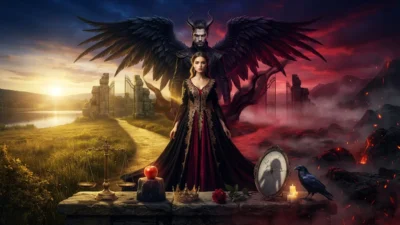
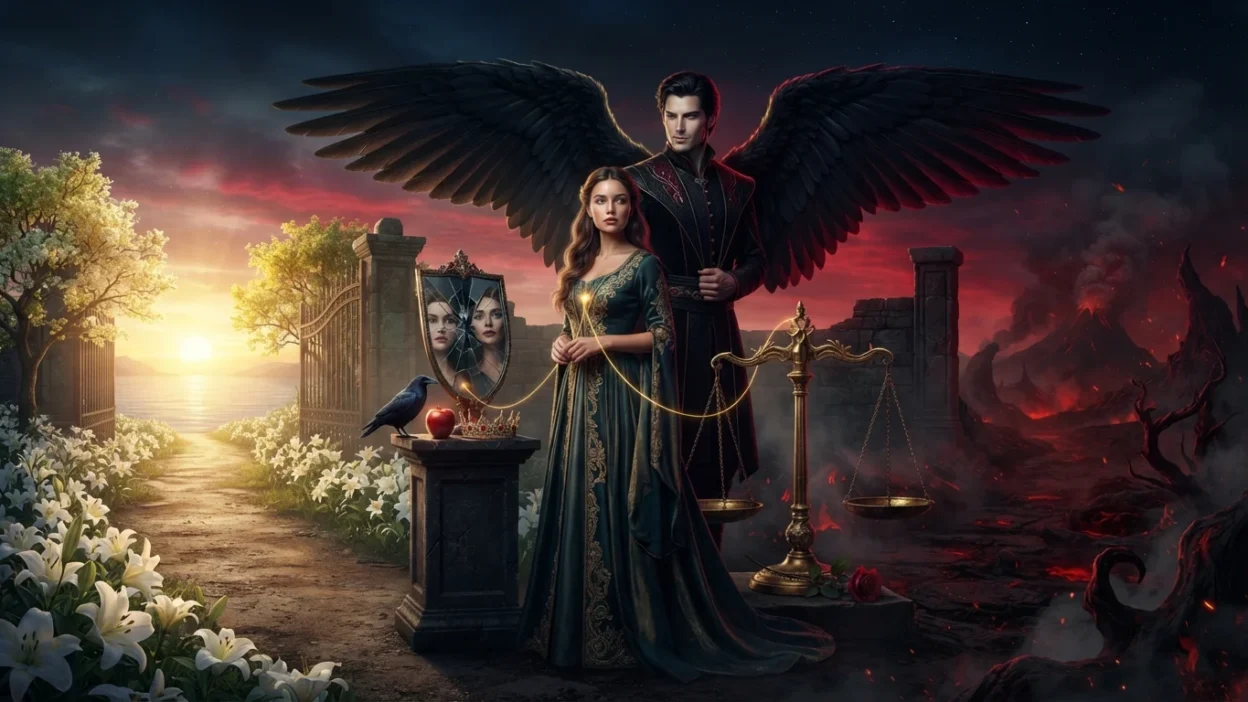
Devil symbolism represents temptation, rebellion, pride, deception, fear, forbidden desire, moral conflict, shadow aspects of human nature and the struggle between good and evil. Across religion, mythology, literature and art, the devil has often been portrayed as a figure who challenges moral boundaries and exposes humanity’s vulnerabilities.
Although devil imagery is frequently associated with evil, its symbolic meaning can be more complex. In literature and psychology, the devil may also represent temptation, suppressed desires, rebellion against authority, inner conflict or the darker side of human nature.
Devil Symbolism Meaning (Clear Definition)
Devil symbolism refers to the religious, cultural, psychological, and artistic meanings associated with devil figures and demonic imagery.
Common symbolic meanings include:
- Temptation
- Evil
- Deception
- Pride
- Rebellion
- Forbidden desire
- Moral conflict
- Fear
- Corruption
- Power
- Shadow self
- Consequences
The devil often symbolizes the forces or impulses that challenge a person’s values and self-control.
What Does Devil Symbolism Represent?
The devil most commonly represents temptation and moral conflict.
In symbolic storytelling, the devil may offer someone something desirable wealth, power, knowledge, pleasure or status in exchange for a serious consequence.
This creates the classic conflict between:
Desire vs Responsibility
Temptation vs Self Control
Power vs Morality
The devil therefore does not always need to represent a literal supernatural being. It can represent the internal struggle people experience when they are tempted to make choices that conflict with their principles.
Spiritual Meaning of Devil Symbolism
Spiritually, devil symbolism is often associated with the darker forces of temptation, deception, pride, and separation from what is considered sacred or morally good.
It may represent:
- Temptation
- Spiritual testing
- Deception
- Pride
- Rebellion
- Moral weakness
- Corruption
- Fear
- Separation from God
- The struggle between good and evil
In a broader symbolic sense, the devil can represent the shadow side of human existence the fears, desires, impulses and choices that require awareness and self control.
Biblical / Religious Meaning of Devil Symbolism
In Christianity, the devil is associated with Satan, an adversarial figure connected with temptation, deception, opposition to God, and evil.
Biblical passages portray Satan in different ways, including as a tempter and adversary. The Book of Revelation also uses powerful dragon and serpent imagery in connection with Satan.
The familiar modern image of the devil with horns, hooves, a red body, and a pitchfork is largely the result of later European artistic and cultural traditions rather than a straightforward biblical physical description.
In religious symbolism, the devil therefore commonly represents:
- Opposition to God
- Temptation
- Deception
- Pride
- Sin
- Spiritual testing
- Evil
Devil Symbolism in History and Culture
The modern devil figure developed through centuries of religious art, folklore, mythology, theater, and popular culture.
Artists often combined different images and traditions to create recognizable devil imagery.
Over time, horns, fire, red coloring, tails, darkness, and pitchforks became associated with the devil in Western popular culture.
These visual elements developed symbolic meanings of their own:
Horns → power, wildness, aggression
Fire → destruction, punishment, passion
Darkness → secrecy, fear, evil, the unknown
Red → danger, desire, anger, power
Pitchfork → popular-culture representation of infernal authority
The historical development is important because not every culture represents evil or spiritual opposition using the same imagery.
Devil Symbolism in Literature and Art
The devil is one of literature’s most fascinating symbolic figures.
Writers have used devil characters to explore:
- Human temptation
- Moral choices
- Pride
- Ambition
- Rebellion
- Free will
- Corruption
- Power
- Forbidden knowledge
- Social criticism
A devil character can sometimes function as a tempter, challenger, trickster, or mirror of human weakness.
In some works, the devil is frightening. In others, the character is charming, intelligent, persuasive, or even humorous.
This makes the devil an effective literary symbol because temptation is rarely presented as obviously undesirable.
Devil Symbolism in Dreams
Dreams involving devil imagery can have many interpretations depending on the dreamer’s emotions, beliefs, and circumstances.
Seeing the Devil
A devil in a dream may symbolize fear, temptation, guilt, conflict, anxiety, or a situation that feels morally difficult.
Talking to the Devil
This may represent an internal debate, negotiation with temptation, or an attempt to understand a difficult choice.
Being Chased by the Devil
Being chased may symbolize avoidance of fear, guilt, unwanted thoughts, or a difficult problem.
Fighting the Devil
Fighting a devil may symbolize resisting temptation, confronting fear, overcoming destructive habits, or standing up for personal values.
Defeating the Devil
Defeating a devil may represent overcoming a major fear, resisting temptation, gaining confidence, or moving beyond a difficult period.
Making a Deal With the Devil
This classic dream image may symbolize sacrificing long-term values for immediate rewards.
It can represent a difficult choice involving power, money, success, love, or status.
A Calm or Friendly Devil
A friendly devil may symbolize the complicated nature of temptation or the parts of yourself that you find difficult to accept.
Red Devil Symbolism
Red is strongly associated with the traditional Western image of the devil.
Symbolically, red can communicate:
- Danger
- Anger
- Passion
- Desire
- Power
- Aggression
- Temptation
A red devil therefore combines ideas of dangerous desire and uncontrolled passion.
Devil Horns Symbolism
Horns are one of the most recognizable features of popular devil imagery.
They can symbolize:
- Aggression
- Power
- Wildness
- Defiance
- Instinct
- Primal energy
However, horns have had many different meanings throughout history and do not universally symbolize evil.
Their association with the devil developed through the blending of religious imagery, folklore, artistic traditions, and representations of horned beings.
Devil Wings Symbolism
Dark or black wings can represent the idea of a fallen or corrupted celestial being.
Symbolically, they may represent:
- Fall from grace
- Rebellion
- Loss of innocence
- Freedom
- Isolation
- Transformation
- Moral conflict
This is why fallen-angel imagery can be more psychologically complex than straightforward images of evil.
Devil and Fire Symbolism
Fire is commonly associated with devil imagery because it can represent destruction, punishment, danger, and uncontrollable passion.
But fire can also symbolize transformation and purification.
This makes fire an intentionally ambiguous symbol: it can destroy, illuminate, or transform.
Devil Symbolism and Temptation
Perhaps the most important meaning of devil symbolism is temptation.
The devil often represents something that promises an immediate reward while hiding a long term cost.
For example:
Power without responsibility
Pleasure without restraint
Knowledge without wisdom
Freedom without accountability
This makes devil symbolism useful for exploring the consequences of choices.
Devil Symbolism and the Shadow Self
In psychological and literary interpretations, the devil can symbolize the shadow self the parts of personality that a person may reject, suppress, or struggle to understand.
This might include:
- Anger
- Jealousy
- Ambition
- Desire
- Fear
- Resentment
- Pride
Symbolically confronting the devil can therefore represent confronting difficult aspects of oneself.
This does not mean embracing harmful behavior. Instead, it can represent recognizing one’s weaknesses so they can be managed consciously.
Devil Symbolism and Rebellion
The devil can also represent rebellion against authority.
In literature, a devil like character may challenge:
- Social rules
- Religious authority
- Political power
- Cultural expectations
- Moral conventions
This makes devil symbolism particularly useful when exploring the complicated relationship between freedom and responsibility.
Devil Symbolism and Pride
Pride is another major association.
The devil may represent excessive ambition and the desire for power without limits.
A symbolic devil standing on a throne can therefore represent unchecked ego and the corruption that may follow when power becomes more important than morality.
Frequently Asked Questions About Devil Symbolism
What does the devil symbolize?
The devil commonly symbolizes temptation, deception, pride, rebellion, evil, moral conflict, fear, forbidden desire, and the darker aspects of human nature.
What does devil symbolism mean spiritually?
Spiritually, devil symbolism often represents temptation, spiritual testing, deception, opposition to divine goodness, pride, and moral struggle.
What does a red devil symbolize?
A red devil commonly combines symbolism associated with danger, passion, anger, desire, power, temptation, and aggression.
What do devil horns symbolize?
In popular Western devil imagery, horns can symbolize aggression, power, wildness, defiance, and primal energy, although horns have many meanings in different cultures.
What does fighting the devil symbolize?
Fighting the devil can symbolize resisting temptation, confronting fear, overcoming destructive patterns, and defending one’s values.
What does a devil symbolize in dreams?
A devil in a dream may symbolize temptation, fear, guilt, moral conflict, anxiety, or a difficult choice. The dream’s emotional context is important.
Conclusion
Devil symbolism is powerful because it represents the darker side of choice, desire, temptation, rebellion and moral conflict.
In religious contexts, the devil can symbolize opposition to God, deception, temptation, and evil. In literature and psychology, the symbol can become more complex, representing ambition, suppressed desires, inner conflict, rebellion or the shadow aspects of human nature.
The traditional horns, fire, darkness, and red coloring create a recognizable visual language, but their meanings have developed through centuries of cultural and artistic interpretation.
Ultimately, devil symbolism reminds us that temptation often becomes most powerful when it disguises its consequences, and true strength comes from recognizing our choices, confronting our weaknesses and remaining conscious of what we value.