Valley symbolism represents peace, humility, growth, renewal, protection, abundance, reflection and life’s transformative journey. Nestled between mountains and nourished by rivers and fertile soil, valleys have long been viewed as places of rest, healing and new beginnings. While mountains symbolize reaching great heights, valleys remind us of the importance of patience, inner growth and finding strength during quieter seasons of life.
Throughout history, valleys have appeared in mythology, religious traditions, literature, dreams and art as symbols of refuge, prosperity, emotional healing and spiritual transformation. Whether you walk through a peaceful valley, admire one from above, or dream about it, valley symbolism encourages you to trust life’s journey, embrace personal growth and recognize the beauty found in moments of stillness.
Valley Symbolism Meaning (Clear Definition)
Valley symbolism refers to the spiritual, emotional, and cultural meanings associated with valleys throughout history. Because valleys collect water, nourish vegetation, and provide shelter, they have become universal symbols of life, renewal, abundance, and hope.
Unlike towering mountains that represent ambition and achievement, valleys symbolize restoration, reflection, emotional balance, and preparation for future success.
The primary meanings associated with valley symbolism include:
- Peace
- Growth
- Renewal
- Protection
- Humility
- Abundance
- Reflection
- Healing
- Hope
- Transformation
Overall, valley symbolism reminds us that periods of rest and reflection are often essential for lasting personal growth and success.
What Does Valley Symbolism Represent?
Valley symbolism represents life’s quieter seasons, where healing, learning, and transformation naturally occur.
One of the valley’s strongest symbolic meanings is renewal. Fertile valleys support flourishing ecosystems, making them enduring symbols of growth, prosperity, and fresh beginnings.
Valleys also symbolize humility because they lie beneath towering mountains, reminding us that wisdom often develops through patience, gratitude, and perseverance.
Their peaceful landscapes further represent emotional healing, safety, balance, and the importance of reconnecting with nature and ourselves.
Because valleys sustain life through rivers and fertile land, they symbolize abundance, nourishment, and hope for the future.
Spiritual Meaning of Valley Symbolism
Spiritually, valleys symbolize inner healing, faith, divine protection, personal transformation, and spiritual renewal.
Many spiritual traditions describe valleys as places where people grow stronger through reflection, prayer, and trust. Although valleys may represent challenges, they also symbolize God’s guidance, comfort, and the promise of brighter days ahead.
Spiritually, valleys represent:
- Spiritual growth
- Emotional healing
- Divine protection
- Humility
- Hope
- Patience
- Faith
- Renewal
Seeing or walking through a valley may remind you to trust life’s process, remain hopeful during challenges, and appreciate every stage of your personal journey.
Biblical Meaning of Valley Symbolism
Valleys appear frequently throughout the Bible and often carry profound spiritual meaning.
The famous phrase “the valley of the shadow of death” in Psalm 23 illustrates that even during life’s darkest moments, God’s presence offers comfort, protection, and guidance. Many biblical valleys also became places of victory, restoration, and divine blessing.
Throughout Scripture, valleys symbolize:
- God’s protection
- Faith
- Renewal
- Humility
- Hope
- Spiritual growth
- Restoration
- Divine guidance
From a biblical perspective, valley symbolism teaches believers to trust God during difficult seasons, knowing that valleys often lead to growth and future blessings.
Valley Symbolism in History and Culture
Valleys have held symbolic importance across civilizations.
Ancient Egypt
The fertile Nile Valley symbolized life, abundance, prosperity, and the sustaining power of nature.
Ancient China
Valleys represented harmony, balance, humility, and living in accordance with nature’s rhythms.
Celtic Traditions
Green valleys symbolized peace, fertility, ancestral heritage, and spiritual connection to the land.
Indigenous Traditions
Many Indigenous cultures regard valleys as sacred places of nourishment, community, healing, and harmony with the Earth.
Modern Symbolism
Today, valleys commonly symbolize:
- Renewal
- Healing
- Peace
- Hope
- Emotional balance
- Reflection
- Personal growth
- Prosperity
Across cultures, valleys continue to represent life’s nurturing and restorative qualities.
Valley Symbolism in Literature and Art
Valleys have inspired poets, writers, and artists for centuries.
In literature, valleys often symbolize:
- Reflection
- Hope
- Renewal
- Healing
- Emotional depth
- Transformation
Authors frequently use valleys as metaphors for life’s quieter chapters, emphasizing that meaningful growth often happens away from the spotlight.
In visual art, valleys appear in peaceful landscapes representing serenity, abundance, natural beauty, and the harmony between humanity and nature.
Modern artists often use valleys to express mindfulness, gratitude, resilience, and emotional renewal.
Valley Symbolism in Dreams
Dreaming about valleys often reflects emotional healing, personal growth, and life’s natural cycles.
Walking Through a Valley
Walking through a valley symbolizes personal growth, patience, and trusting the process of life.
Green Valley
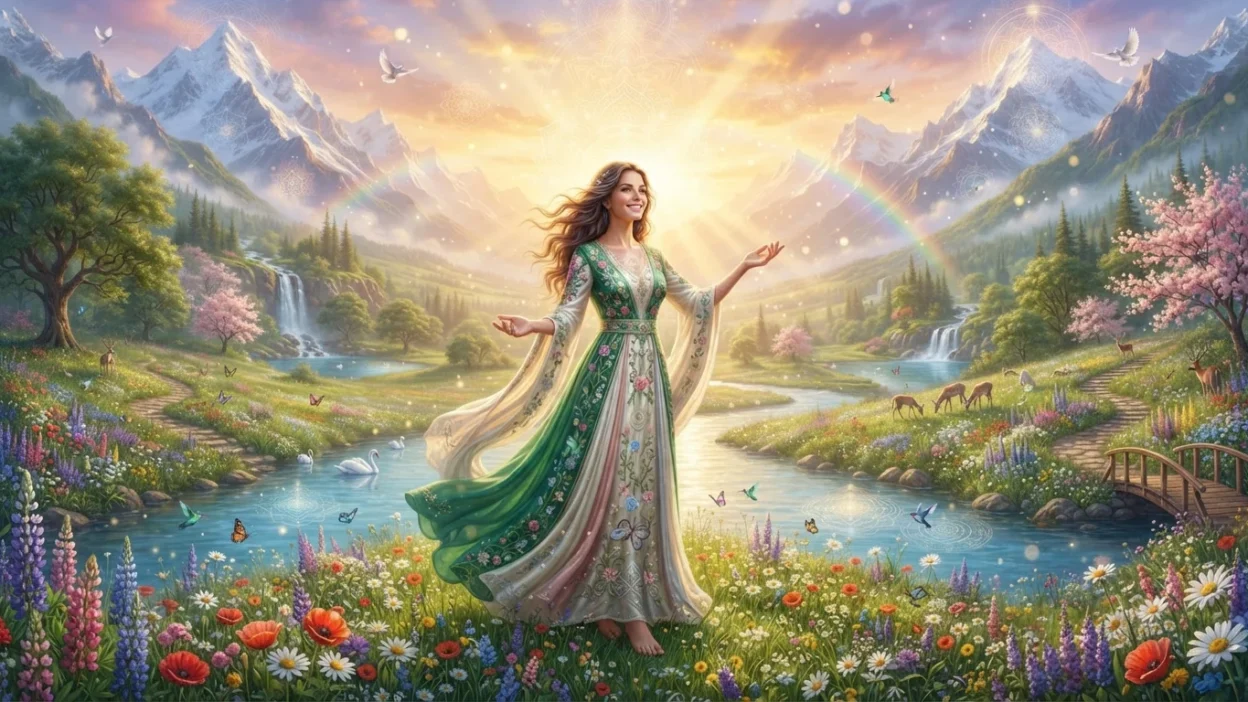
A lush green valley represents prosperity, hope, emotional healing, abundance, and joyful new beginnings.
Misty Valley
A mist-covered valley may symbolize uncertainty while encouraging trust, faith, and perseverance.
River Valley
A river flowing through a valley represents emotional balance, continuous growth, adaptability, and positive change.
Flower Filled Valley
A valley covered in colorful flowers symbolizes happiness, gratitude, success, and emotional fulfillment.
Sunrise Over a Valley
Seeing the sunrise over a valley symbolizes hope, fresh opportunities, healing, and a promising new chapter.
Modern Meaning of Valley Symbolism
Today, valley symbolism continues to inspire individuals seeking peace, resilience, and emotional well-being.
Modern interpretations include:
- Self-care
- Mindfulness
- Emotional resilience
- Gratitude
- Sustainable living
- Inner peace
- Personal development
- Hope
Because of these meanings, valleys frequently appear in wellness retreats, inspirational photography, environmental conservation, meditation spaces, and landscape art.
Types of Valleys and Their Symbolic Meanings
Green Valley
Green valleys symbolize abundance, healing, renewal, hope, and flourishing life.
Mountain Valley
Mountain valleys represent protection, reflection, balance, and resilience.
River Valley
River valleys symbolize adaptability, emotional flow, prosperity, and continuous growth.
Desert Valley
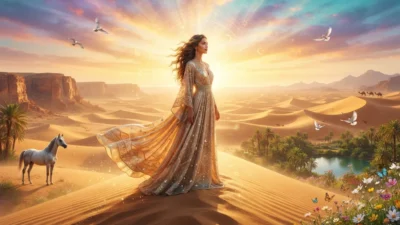
Desert valleys represent perseverance, inner strength, faith, and hope during difficult times.
Flower Valley
Flower-filled valleys symbolize joy, beauty, gratitude, emotional fulfillment, and fresh beginnings.
Frequently Asked Questions About Valley Symbolism
What does a valley symbolize?
A valley symbolizes peace, growth, healing, protection, humility, abundance, renewal, hope, reflection, and transformation.
Is seeing a valley considered a good sign?
Yes. Many cultures view valleys as positive symbols of renewal, prosperity, emotional healing, protection, and future blessings.
What does a valley symbolize spiritually?
Spiritually, valleys represent healing, faith, divine guidance, humility, personal growth, hope, and spiritual renewal.
What does dreaming about a valley mean?
Dreaming about a valley often symbolizes emotional healing, personal transformation, inner peace, abundance, and preparing for future success.
Why are valleys associated with growth?
Their fertile soil, flowing rivers, and life-supporting landscapes make valleys enduring symbols of nourishment, prosperity, renewal, and continuous development.
What does a green valley symbolize?
A green valley symbolizes abundance, healing, prosperity, emotional balance, hope, renewal, and lasting happiness.
Conclusion
Valley symbolism reminds us that life’s quieter seasons are often the most meaningful. Just as fertile valleys nurture forests, rivers and countless forms of life, periods of reflection and patience nourish our hearts, minds and spirits. Across cultures, religions, dreams, and artistic traditions, valleys continue to symbolize peace, renewal, protection, growth, humility and hope.
Whether explored in nature, admired from a mountain summit or experienced in dreams, valleys encourage us to embrace every stage of our journey with gratitude, resilience, faith and confidence.