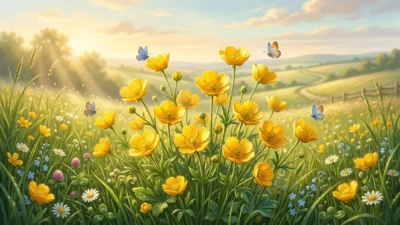
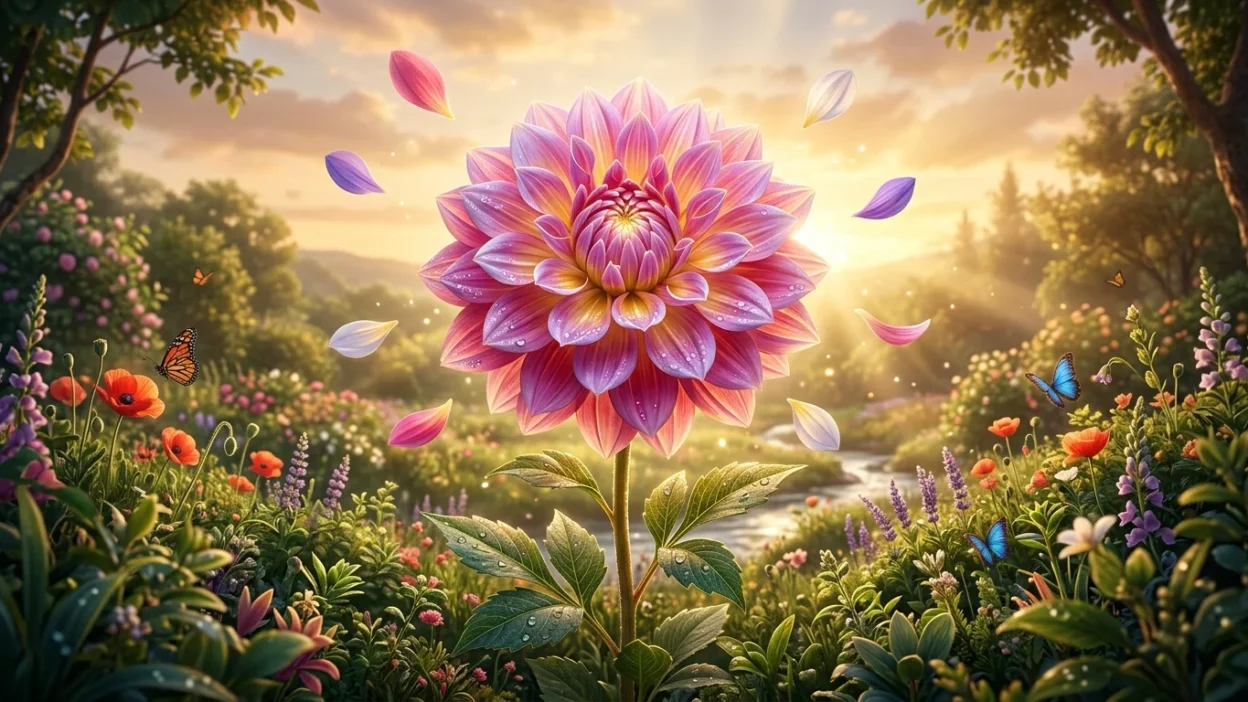
Flowers have captivated humanity for centuries with their beauty, fragrance and delicate nature. Across cultures, religions and traditions, flower symbolism represents love, beauty, growth, renewal, joy and the cycle of life. Their ability to bloom, flourish and eventually fade has made flowers powerful symbols of both life’s blessings and its temporary nature.
Whether appearing in spiritual teachings, dreams, literature, art or celebrations, flowers carry messages of hope, transformation and emotional expression. Their universal appeal makes them one of the most meaningful symbols in human culture.
Flower Symbolism Meaning (Clear Definition)
Flower symbolism refers to the meanings and interpretations associated with flowers as symbols of beauty, growth, love, renewal and emotional expression. Because flowers emerge from seeds and blossom into vibrant forms, they often symbolize personal development, new beginnings and the unfolding of life’s potential.
At its core, flower symbolism reflects the beauty and growth that can emerge through time, care and nurturing.
Quick Symbolism Summary
| Symbolic Meaning | Interpretation |
|---|---|
| Beauty | Grace, elegance, and appreciation |
| Love | Affection, romance, and emotional connection |
| Growth | Personal development and progress |
| Renewal | Fresh starts and transformation |
| Joy | Happiness and celebration |
| Hope | Optimism and positive possibilities |
| Life Cycle | The beauty and impermanence of life |
What Does Flower Symbolism Represent?
Flower symbolism represents many universal themes that resonate across cultures and generations.
Beauty and Elegance
Flowers are natural symbols of beauty, grace, and appreciation. Their colors and forms inspire admiration and wonder.
Love and Affection
Flowers are often given as gifts to express love, friendship, gratitude and emotional connection.
Growth and Transformation
The journey from seed to blossom symbolizes personal growth, self discovery and transformation.
Hope and Renewal
Flowers bloom after harsh seasons, making them symbols of resilience, hope and new beginnings.
Celebration and Happiness
Flowers are frequently used during weddings, birthdays and special occasions to symbolize joy and positive emotions.
Spiritual Meaning of Flower Symbolism
The spiritual meaning of flower symbolism often centers on enlightenment, inner beauty and spiritual growth.
Many spiritual traditions associate flowers with:
- Spiritual awakening
- Purity and innocence
- Personal transformation
- Divine beauty
- Inner peace
- Gratitude and mindfulness
- Renewal and rebirth
Spiritually, flowers remind individuals to appreciate the present moment and embrace life’s continuous growth.
Flowers as Symbols of the Soul
Many teachings view flowers as reflections of the human soul, blooming through experience, wisdom and personal development.
Biblical / Religious Meaning of Flower Symbolism
Flowers hold important symbolic meanings in many religious traditions.
Christianity
In Christianity, flowers often symbolize God’s creation, beauty, faith, hope, and spiritual renewal. They can also represent purity, grace, and divine blessings.
Judaism
Flowers are associated with beauty, abundance, and appreciation for the wonders of creation.
Islam
In Islamic traditions, flowers frequently symbolize paradise, beauty, blessings, and the harmony of nature.
Hinduism and Buddhism
Flowers are commonly used in worship and meditation. They symbolize devotion, enlightenment, purity and the transient nature of life.
Flower Symbolism in History and Culture
Flowers have played significant roles in cultural traditions throughout history.
Ancient Civilizations
Ancient cultures often connected flowers with fertility, prosperity, divine favor, and celebrations of life.
Victorian Flower Language
During the Victorian era, flowers were used to communicate emotions and messages through a symbolic language known as floriography.
Cultural Celebrations
Flowers continue to be central to weddings, festivals, religious ceremonies, and cultural traditions worldwide.
Seasonal Symbolism
Different flowers often represent specific seasons, emphasizing renewal, growth, and life’s natural cycles.
Flower Symbolism in Literature and Art
Flowers have inspired writers and artists for centuries.
In Literature
Authors often use flowers to symbolize:
- Love and romance
- Beauty and youth
- Growth and transformation
- Innocence and purity
- Hope and renewal
- The passage of time
Flowers frequently serve as metaphors for life’s beauty and impermanence.
In Art
Artists use flower imagery to express emotion, vitality, spirituality and the relationship between humanity and nature.
Flowers often evoke feelings of peace, inspiration and appreciation.
Dream Meaning of Flower Symbolism
Dreams involving flowers are generally associated with positive emotions, growth, and opportunities.
Blooming Flowers
Blooming flowers often symbolize success, happiness, and personal development.
Receiving Flowers
Receiving flowers may represent appreciation, affection, recognition, or positive relationships.
Planting Flowers
Planting flowers in a dream often symbolizes nurturing goals, relationships, or future opportunities.
Wilted Flowers
Wilted flowers may suggest disappointment, missed opportunities, or the need for emotional healing.
Colorful Flowers
Bright, colorful flowers usually symbolize joy, creativity, abundance, and optimism.
Modern Meaning of Flower Symbolism
Today, flower symbolism remains highly relevant in personal, cultural, and social contexts.
Emotional Expression
Flowers continue to be one of the most common ways people express love, gratitude, sympathy, and celebration.
Personal Growth
Many people view flowers as symbols of self-improvement, resilience, and blossoming potential.
Mindfulness and Wellness
Flower imagery is often associated with peace, balance, and emotional well-being.
Environmental Appreciation
Flowers symbolize the beauty and importance of nature in modern society.
Inspiration and Creativity
Their vibrant colors and natural elegance make flowers enduring symbols of imagination and artistic expression.
Frequently Asked Questions
What is the main meaning of flower symbolism?
Flower symbolism primarily represents beauty, love, growth, renewal, joy and the cycle of life.
What do flowers symbolize spiritually?
Spiritually, flowers symbolize enlightenment, purity, personal growth, gratitude and divine beauty.
What does a blooming flower symbolize?
A blooming flower often symbolizes success, transformation, new beginnings and the fulfillment of potential.
What does dreaming about flowers mean?
Dreaming about flowers generally reflects happiness, growth, opportunities, emotional fulfillment and positive life experiences.
Why are flowers associated with love?
Flowers are associated with love because of their beauty, fragrance and long history as gifts expressing affection and appreciation.
Conclusion
Flower symbolism continues to inspire people because it reflects life’s beauty, growth and constant renewal. Whether viewed through a spiritual, cultural, literary or personal lens, flowers remind us to embrace change, appreciate the present moment and nurture the potential within ourselves. Like a flower in bloom, life becomes most meaningful when it is allowed to grow and flourish.