Throughout history, cages have been powerful symbols in literature, religion, art and psychology. While a cage physically confines what is inside, it also carries deeper symbolic meanings about freedom, limitation, protection, self discovery and transformation.
Cage symbolism represents restriction, security, emotional barriers, personal growth, the desire for freedom and the journey toward liberation. More than a physical structure, a cage reminds us that true freedom often begins within.
Across cultures and spiritual traditions, cages have been used to explore the balance between safety and independence. Whether appearing in dreams, mythology, poetry or visual art, cage symbolism encourages us to recognize the obstacles that hold us back and find the courage to break free.
Cage Symbolism Meaning (Clear Definition)
Cage symbolism refers to the meanings and interpretations associated with a cage as a symbol of confinement, protection, limitation, emotional boundaries, freedom, and personal transformation. Depending on the context, a cage may represent either the security of shelter or the challenge of overcoming restrictions.
At its core, cage symbolism reflects the tension between safety and freedom, encouraging self awareness and personal growth.
Quick Symbolism Summary
| Symbolic Meaning | Interpretation |
|---|---|
| Restriction | Feeling limited or confined |
| Freedom | The desire to break free and grow |
| Protection | Safety and shelter from harm |
| Emotional Barriers | Fear, anxiety, or self-imposed limits |
| Transformation | Moving beyond limitations |
| Self-Discovery | Understanding personal challenges |
| Hope | Believing that change is possible |
What Does Cage Symbolism Represent?
Cage symbolism represents several meaningful themes that have resonated across cultures for centuries.
Restriction and Limitation
A cage often symbolizes situations where a person feels trapped by circumstances, responsibilities, or fear.
The Desire for Freedom
Because cages prevent movement, they naturally symbolize the longing for independence, opportunity, and self-expression.
Protection and Security
In some contexts, a cage provides safety, reminding us that boundaries can sometimes protect rather than restrict.
Emotional Barriers
A cage may represent negative thoughts, fears, or habits that prevent personal growth and happiness.
Transformation and Growth
Escaping or opening a cage symbolizes overcoming obstacles, embracing change, and discovering one’s true potential.
Spiritual Meaning of Cage Symbolism
The spiritual meaning of cage symbolism often centers on inner freedom, awakening, and personal transformation.
Many spiritual traditions associate cages with:
- Self reflection
- Emotional healing
- Spiritual growth
- Liberation
- Faith
- Letting go of fear
- Inner peace
Spiritually, the cage reminds us that the greatest limitations are often internal, and true freedom comes from wisdom, courage, and self awareness.
Cage as a Symbol of Spiritual Liberation
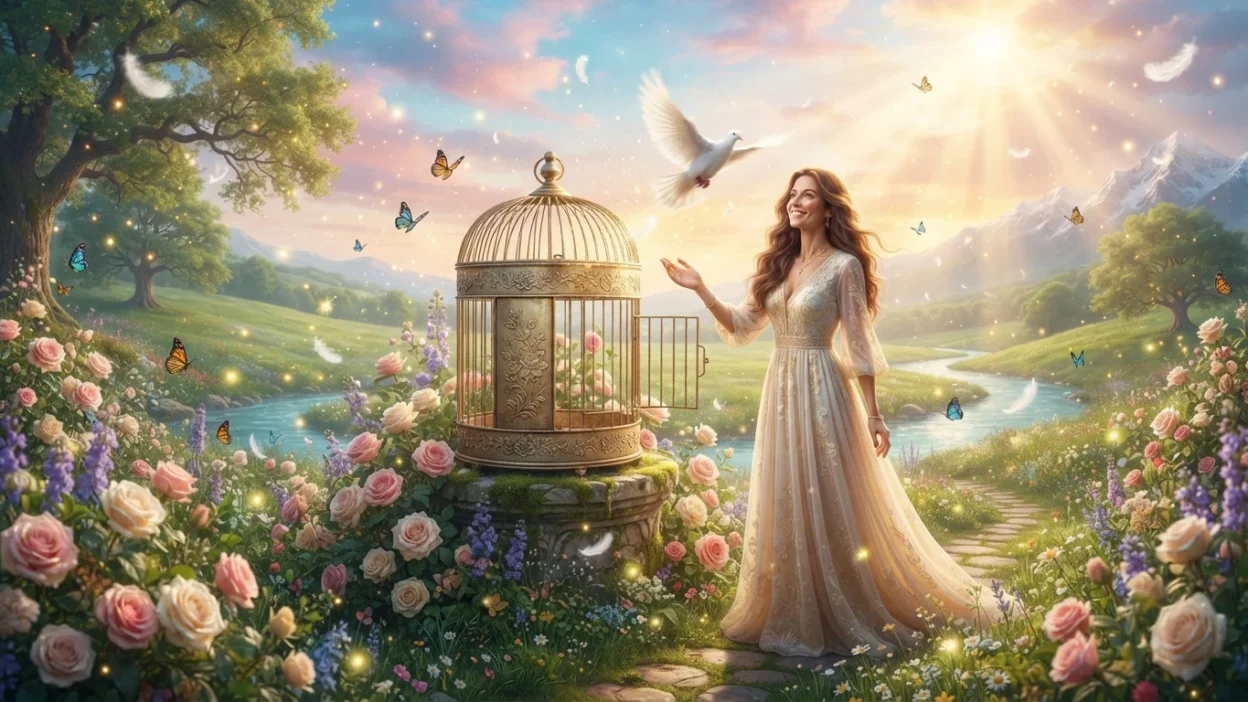
Many spiritual teachings use the image of an open cage to symbolize awakening, releasing fear, and embracing a life of greater purpose and authenticity.
Biblical / Religious Meaning of Cage Symbolism
Cages are not among the most common religious symbols, but their themes align with many spiritual teachings.
Christianity
In Christianity, cage symbolism can represent freedom from sin, overcoming spiritual bondage, and finding hope through faith. An open cage may symbolize redemption and new life.
Judaism
The image of a cage can represent deliverance, trusting God’s guidance, and moving from hardship toward hope.
Islam
Cage symbolism may reflect patience, perseverance, spiritual discipline, and seeking freedom through faith and righteous living.
Hinduism and Buddhism
Cages often symbolize attachment, ignorance, and the illusion of limitation. Liberation comes through wisdom, mindfulness, and spiritual awakening.
Cage Symbolism in History and Culture
The cage has appeared in many cultural traditions and artistic expressions.
Ancient Traditions
Historically, cages were practical objects, but they also became symbols of power, captivity, and protection.
Literature and Poetry
Many writers use cages to represent emotional struggle, societal expectations, and the human desire for freedom.
Cultural Meaning
Across cultures, an open cage often symbolizes liberation, while a closed cage may represent challenges that must be overcome.
Modern Symbolism
Today, cages symbolize mental health awareness, personal growth, resilience, self-expression, and breaking free from limiting beliefs.
Cage Symbolism in Literature and Art
The cage is one of the most recognizable symbolic images in creative expression.
In Literature
Authors often use cages to symbolize:
- Emotional struggles
- Personal limitations
- Freedom
- Hope
- Transformation
- Self-discovery
Cage imagery frequently appears in stories about overcoming adversity and finding one’s true identity.
In Art
Artists portray cages as symbols of contrast—security versus restriction, silence versus expression, and fear versus courage.
Open cages often represent hope and liberation, while empty cages may symbolize growth and new beginnings.
Dream Meaning of Cage Symbolism
Dreams involving cages often reflect emotions, life circumstances, or opportunities for change.
Seeing a Cage
Seeing a cage may symbolize feeling restricted, protected, or reflecting on personal boundaries.
Being Inside a Cage
Being inside a cage often represents feeling limited by fear, responsibilities, or external circumstances.
An Open Cage
An open cage usually symbolizes freedom, healing, new opportunities, or the courage to embrace change.
Escaping a Cage
Escaping from a cage may represent overcoming obstacles, releasing emotional burdens, or entering a new phase of life.
An Empty Cage
An empty cage often symbolizes completed transformation, independence, or leaving the past behind.
Modern Meaning of Cage Symbolism
Today, cage symbolism continues to hold deep personal meaning.
Personal Growth
The cage encourages self reflection and recognizing what may be limiting your potential.
Emotional Well Being
It reminds us to address fears, unhealthy habits, or negative thought patterns that prevent happiness.
Spiritual Awareness
Many people view the open cage as a symbol of liberation, healing, and inner peace.
Creativity
Artists and writers use cage symbolism to express emotional depth, resilience, and transformation.
Achievement
Breaking free from a symbolic cage represents overcoming obstacles and embracing new possibilities.
Frequently Asked Questions
What is the main meaning of cage symbolism?
Cage symbolism primarily represents restriction, freedom, protection, emotional barriers, transformation, hope, and personal growth.
What does a cage symbolize spiritually?
Spiritually, a cage symbolizes inner limitations, self-discovery, liberation, healing, and the journey toward greater awareness and freedom.
Why is the cage associated with freedom?
Because a cage restricts movement, it naturally represents the desire to break free from limitations and pursue a more authentic life.
What does dreaming about a cage mean?
Dreaming about a cage often signifies feeling restricted, recognizing emotional barriers, or preparing to embrace positive change and personal growth.
Is a cage always a negative symbol?
No. While a cage can symbolize restriction, it may also represent protection, healthy boundaries, self-reflection, and the opportunity for transformation. The meaning depends on the context.
Conclusion
Cage symbolism remains meaningful because it reflects both the challenges of limitation and the hope of liberation. Whether viewed through a spiritual, cultural, artistic or personal lens, the cage reminds us that growth often begins when we recognize the barriers that hold us back.
Like an open cage inviting a bird to fly freely, cage symbolism encourages us to release fear, embrace new opportunities and move forward with courage, wisdom, and hope.