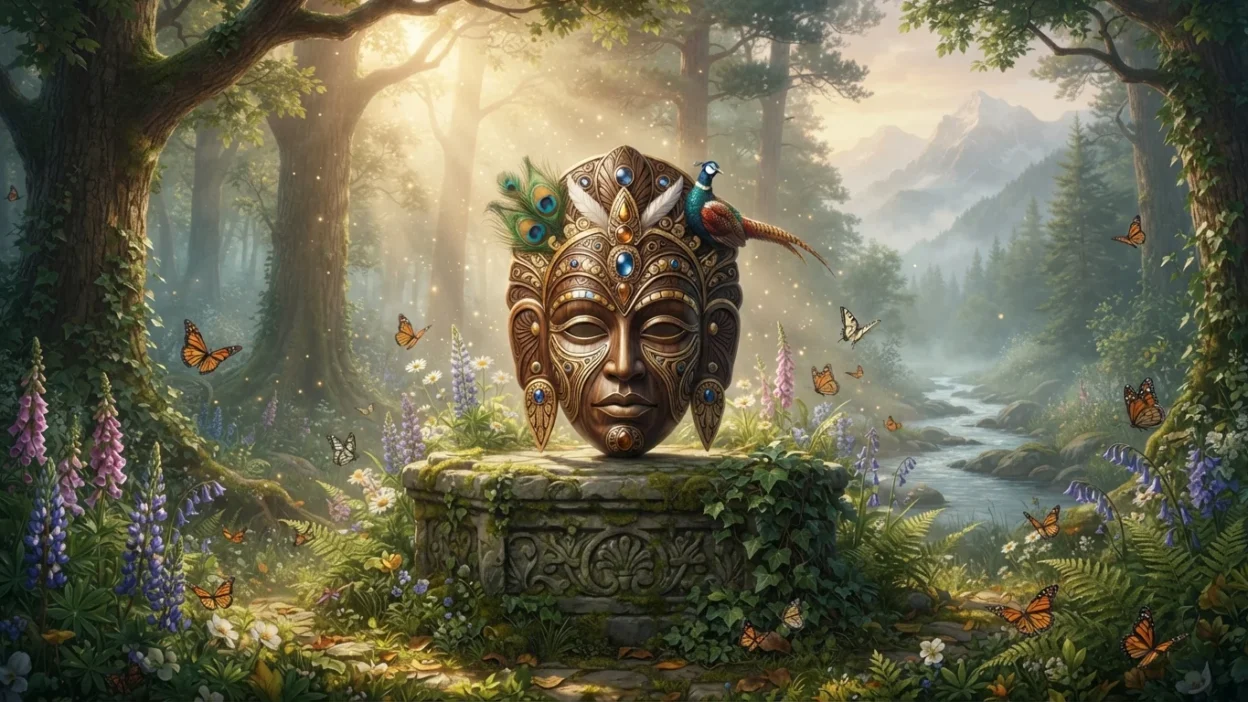
Masks have been used throughout history in ceremonies, theater, rituals, celebrations and storytelling. More than simple objects that cover the face, mask symbolism represents identity, transformation, mystery, protection, self expression, hidden emotions and personal growth. A mask can conceal one’s appearance while also revealing deeper truths about character, culture and the human experience.
Across cultures, religions and artistic traditions, masks symbolize both the roles people play in society and the journey toward discovering one’s authentic self. Whether appearing in dreams, mythology, literature or art, masks encourage reflection on identity, courage and transformation.
Mask Symbolism Meaning (Clear Definition)
Mask symbolism refers to the meanings and interpretations associated with masks as symbols of identity, protection, transformation, mystery, and self-expression. Because masks can both hide and reveal, they often represent the balance between outward appearances and inner truth.
At its core, mask symbolism reflects the complexity of identity and the ongoing journey of self-discovery.
Quick Symbolism Summary
| Symbolic Meaning | Interpretation |
|---|---|
| Identity | Exploring the true self |
| Transformation | Personal growth and change |
| Protection | Emotional and spiritual boundaries |
| Mystery | Hidden truths and the unknown |
| Self-Expression | Creativity and individuality |
| Hidden Emotions | Feelings kept beneath the surface |
| Wisdom | Understanding different perspectives |
What Does Mask Symbolism Represent?
Mask symbolism represents several meaningful themes that resonate across cultures and generations.
Identity and Authenticity
Masks remind us that people often present different aspects of themselves depending on the situation, while encouraging the search for authenticity.
Transformation
Putting on or removing a mask symbolizes personal growth, change, and embracing new roles in life.
Protection
Masks have historically been used for physical, emotional, and spiritual protection during rituals and performances.
Mystery and Hidden Truths
Masks conceal the face, making them symbols of secrecy, curiosity, and unexplored aspects of personality.
Creativity and Self-Expression
Decorative masks celebrate imagination, cultural traditions, and artistic expression.
Spiritual Meaning of Mask Symbolism
The spiritual meaning of mask symbolism often centers on self-awareness, transformation, and inner truth.
Many spiritual traditions associate masks with:
- Spiritual transformation
- Self-discovery
- Personal growth
- Emotional healing
- Protection from negative influences
- Inner wisdom
- Authentic living
Spiritually, masks encourage individuals to examine the roles they play in life and to embrace their genuine identity.
Mask as a Symbol of Inner Transformation
Many spiritual teachings describe removing a mask as a metaphor for revealing one’s authentic self and living with honesty and courage.
Biblical / Religious Meaning of Mask Symbolism
Masks hold symbolic significance in several religious and cultural traditions.
Christianity
While masks are not a central biblical symbol, they can represent the contrast between outward appearances and inner character. Christian teachings often emphasize sincerity, humility, and authenticity.
Judaism
Masks may symbolize celebration, cultural tradition, and the reminder that true character lies beyond external appearances.
Islam
Islamic teachings emphasize sincerity and honesty, making masks a symbolic reminder to align outward actions with inner values.
Hinduism and Buddhism
Masks often represent divine figures, spiritual transformation, sacred storytelling, and the many roles played throughout life’s journey.
Mask Symbolism in History and Culture
Masks have shaped cultural traditions for thousands of years.
Ancient Civilizations
Many ancient societies used masks in religious ceremonies, festivals, and rituals to honor ancestors, spirits, and deities.
Theater and Performance
Masks became symbols of storytelling, emotion, and the many roles people play in life.
Cultural Celebrations
Across the world, masks continue to represent heritage, celebration, creativity, and community identity.
Modern Cultural Meaning
Today, masks symbolize individuality, privacy, self-expression, resilience, and personal transformation.
Mask Symbolism in Literature and Art
Masks are among the most versatile symbols in creative expression.
In Literature
Authors often use masks to symbolize:
- Hidden identity
- Inner conflict
- Personal transformation
- Secrets and mystery
- Authenticity
- Emotional complexity
Mask imagery often highlights the difference between appearance and reality.
In Art
Artists use masks to explore identity, culture, emotion, spirituality, and human relationships.
Their expressive forms encourage viewers to think beyond what is immediately visible.
Dream Meaning of Mask Symbolism
Dreams involving masks often reflect identity, emotions, and self-awareness.
Wearing a Mask
Wearing a mask in a dream may symbolize protecting your emotions, adapting to circumstances, or exploring different aspects of your personality.
Removing a Mask
Removing a mask often symbolizes honesty, self-acceptance, personal growth, and revealing your authentic self.
Seeing Someone Else Wearing a Mask
This may represent uncertainty about another person’s intentions or recognizing that people often reveal themselves gradually.
A Decorative Mask
An artistic or ceremonial mask may symbolize creativity, cultural heritage, celebration, or spiritual insight.
Finding a Mask
Finding a mask may represent discovering hidden talents, new opportunities, or deeper self understanding.
Modern Meaning of Mask Symbolism
Today, mask symbolism remains meaningful in many aspects of life.
Personal Growth
Masks encourage self-reflection and understanding the different roles we play throughout life.
Emotional Intelligence
They remind us to balance privacy with authenticity and healthy self-expression.
Creativity and Art
Masks continue to inspire artists, performers, designers, and storytellers around the world.
Spiritual Awareness
Many people view masks as symbols of transformation, mindfulness, and inner discovery.
Cultural Heritage
Masks remain powerful representations of tradition, identity, and community celebration.
Frequently Asked Questions
What is the main meaning of mask symbolism?
Mask symbolism primarily represents identity, transformation, protection, mystery, authenticity, self expression, and hidden emotions.
What does a mask symbolize spiritually?
Spiritually, a mask symbolizes self discovery, personal transformation, inner wisdom, authenticity, and emotional growth.
Why are masks associated with identity?
Because masks can conceal or reveal different aspects of a person, they naturally symbolize the complexity of identity and self expression.
What does dreaming about a mask mean?
Dreaming about a mask often signifies self reflection, emotional protection, discovering hidden truths, or embracing personal transformation.
Is a mask a positive symbol?
Yes. While masks can represent secrecy or hidden emotions, they are more commonly interpreted as symbols of creativity, protection, transformation, authenticity, and cultural expression.
Conclusion
Mask symbolism continues to inspire people because it reflects identity, transformation, mystery and authenticity. Whether viewed through a spiritual, cultural, artistic or personal lens, masks remind us that true growth comes from understanding both the roles we play and the person we truly are. Like a mask that can be removed to reveal a genuine face, mask symbolism encourages honesty, self awareness and the courage to live authentically.